Most camps in the Masai Mara call themselves eco-friendly. Few can show the numbers behind that claim. Emboo Camp, set on the Talek River near the Mara Naboisho Conservancy, is one of the few that can. It runs entirely on solar power, drives an all-electric vehicle fleet, and turns kitchen waste into cooking gas.
Touring Insights breaks down how Emboo Camp’s zero-waste system actually works. You will find what it costs to stay there, plus how it compares to a standard diesel-powered Mara camp. Real numbers only, no vague sustainability claims.
The Short Answer: What “Zero-Waste” Means at Emboo Camp
Emboo Camp built its operation around three systems. Solar power runs with no diesel generator backup. Electric safari vehicles replace the usual diesel fleet. A biogas unit converts food scraps into kitchen fuel. Wastewater passes through on-site treatment before reuse, and the camp avoids single-use plastic almost entirely.
Camp management describes Emboo as a net zero operation, the first in the Mara region to run this way. That claim rests on specific, checkable choices rather than a general pledge. This piece walks through each one.
Where Emboo Camp Sits in the Masai Mara Ecosystem
Emboo Camp sits on the banks of the Talek River, on the border of the Mara Naboisho Conservancy. That places it within the wider Masai Mara ecosystem in Narok County. Naboisho covers roughly 200 km² (about 60,000 acres) of community-owned land leased from Maasai landowners. It sits apart from the 1,510 km² Masai Mara National Reserve itself.
The nearest airstrip is Ol Kiombo, about a 20 to 30 minute drive from camp. Flights from Nairobi’s Wilson Airport to Ol Kiombo take roughly 45 minutes. Driving from Nairobi takes 5 to 6 hours by road through Narok town, the same route most Mara camps use.
Solar Power and Electric Game-Drive Vehicles
Every watt at Emboo Camp comes from an on-site solar array and battery bank, with no diesel generator as backup. That is a real departure from most Mara camps. They run solar as a supplement and switch to generators at night or during cloudy stretches.
The camp’s vehicle fleet followed the same logic. Emboo converted classic Land Rovers into fully electric safari vehicles, charged from the same solar system. That makes it the first camp in Kenya to run an all-electric fleet. Guests get a silent game drive, which changes how wildlife reacts to a stopped vehicle. Predators and browsing animals often stay relaxed near an electric vehicle in a way they rarely do near a running diesel engine.
Turning Food Waste Into Cooking Gas
A biogas digester at Emboo Camp processes food scraps from the kitchen. It converts them into gas used for cooking. This closes a loop most camps skip entirely. Instead of trucking food waste out to a dump site, it becomes fuel on site.
The camp also runs a vertical hydroponic garden that supplies fresh vegetables and herbs to the kitchen. Growing produce on site cuts down on vehicle trips needed to bring vegetables in from Narok or Nairobi. That matters on the long dirt roads into the conservancy.
Water Treatment and Cutting Out Single-Use Plastic
Wastewater at Emboo Camp goes through on-site treatment, including UV filtration, before release or reuse. It does not drain untreated toward the Talek River. Camps built decades ago in the Mara often lack this step entirely.
Single-use plastic is largely absent from the operation, from water bottles to packaging. Guests typically get refillable bottles instead of the plastic ones still common at older Mara lodges.
How Emboo Compares to Other Sustainable Mara Camps
Emboo Camp is not the only property in the Mara pushing toward a lighter footprint. Naboisho Conservancy neighbors like Eagle View Camp and Basecamp Wilderness Naboisho also run solar arrays. Both share revenue with the Maasai landowners who lease them the land. What sets Emboo apart is the full electric vehicle fleet and the closed-loop biogas system. Neither is yet standard, even among conservancy camps marketing themselves as eco-friendly.
That distinction matters if a low-impact stay is your deciding factor. A solar-powered tent with a diesel Land Cruiser parked outside is a partial step. Pairing that same tent with a silent electric vehicle and a biogas kitchen is a fuller one. Ask any camp directly which parts of their operation run on renewable power versus diesel backup. Marketing language does not always match the equipment on site.
Emboo Camp vs a Typical Diesel-Powered Mara Camp
| Feature | Emboo Camp | Typical Diesel-Powered Mara Camp |
|---|---|---|
| Power source | 100% solar, no generator backup | Solar supplement + diesel generator |
| Vehicle fleet | Fully electric, converted Land Rovers | Diesel Land Cruisers/Land Rovers |
| Food waste | Biogas digester fuels kitchen | Trucked out to disposal site |
| Produce | On-site vertical hydroponic garden | Trucked in from Narok/Nairobi |
| Wastewater | On-site treatment with UV filtration | Septic system, minimal treatment |
| Single-use plastic | Largely eliminated | Common (bottled water, packaging) |
| Tents | 8 tented suites on the Talek River | Varies, typically 10-20 tents |
What a Low-Impact Mara Stay Costs and How to Book It
Emboo Camp runs 8 tented suites on the Talek River. That includes 6 standard River Rooms and 2 larger River Suites that sleep up to four guests. Rates for sustainable, conservancy-based camps like Emboo sit in the same indicative range as other high-end Mara conservancy properties. Expect roughly $600 to $1,200 per person per night on an all-inclusive basis. Exact rates depend on season, so confirm directly with the camp or a booking partner.
Conservancy entry costs apply on top of the room rate at most Naboisho camps. That is typically an indicative $80 per adult per 24-hour period, usually built into the all-inclusive rate rather than billed separately at a gate. Compare that to the Masai Mara National Reserve’s standard non-resident entry fee, an indicative $80 to $100 per person per day.
| Booking Detail | Figure |
|---|---|
| Nairobi (Wilson Airport) to Ol Kiombo Airstrip | approx. 45 min by air |
| Ol Kiombo Airstrip to camp | approx. 20-30 min by road |
| Nairobi to camp by road | approx. 5-6 hrs |
| Naboisho Conservancy size | approx. 200 km² (60,000 acres) |
| Masai Mara National Reserve size (for comparison) | approx. 1,510 km² |
| Conservancy fee (indicative, usually bundled) | approx. $80/adult per 24 hrs |
| Camp rate range (indicative, all-inclusive) | approx. $600-1,200 per person/night |
Explorer Notes
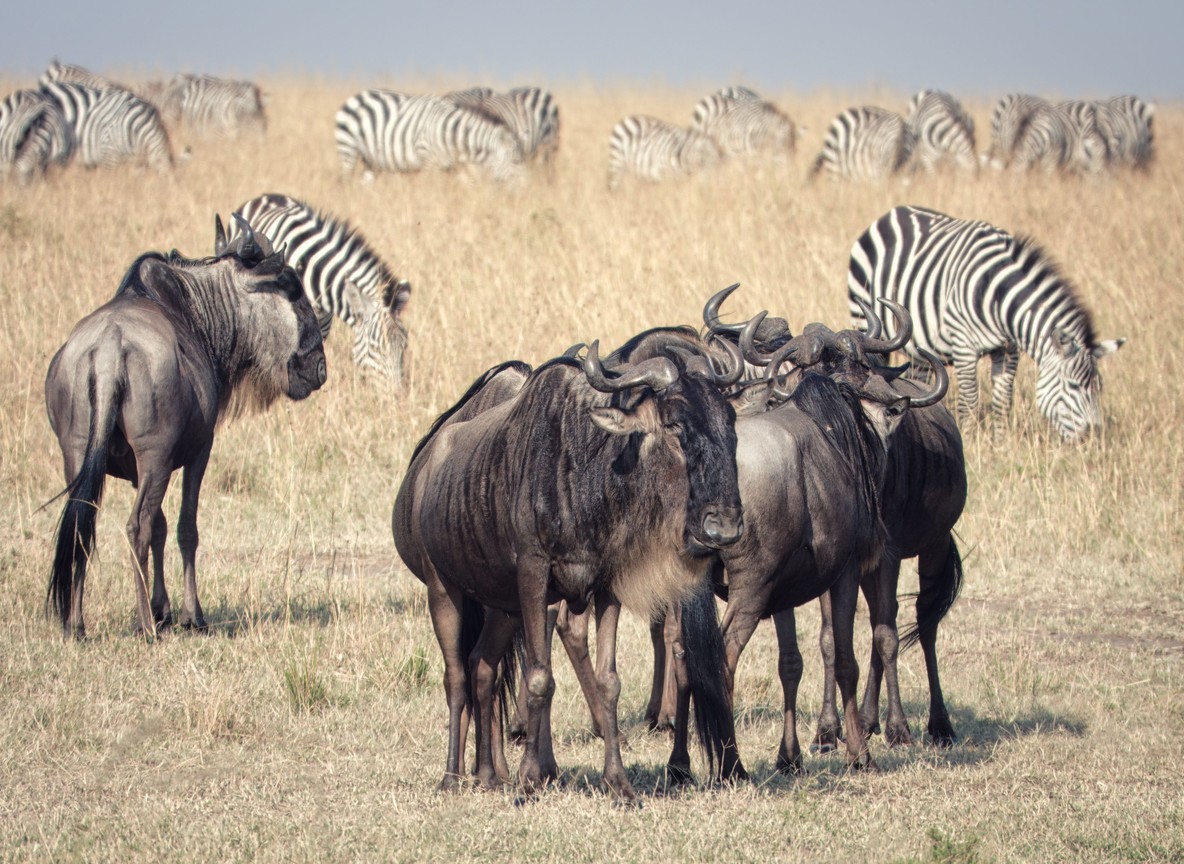
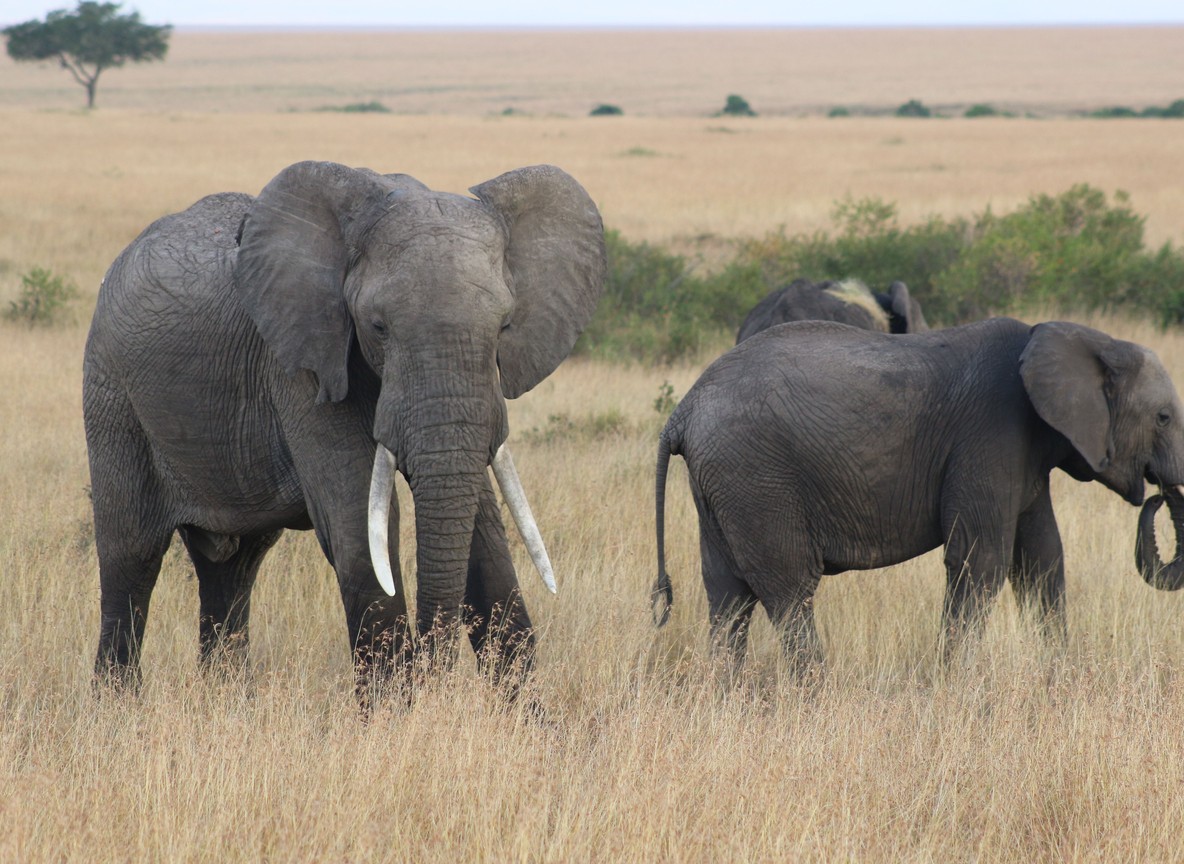
Ask your guide to switch off the electric vehicle’s motor during a sighting. Without engine noise, you notice how much wildlife behavior changes around a silent vehicle. Lions and elephants often stay put instead of shifting away from the sound.
Naboisho Conservancy runs a strict vehicle cap per sighting, generally limiting how many vehicles gather at any single animal. That rule matters more here than at a reserve camp. It is part of why conservancy sightings feel less crowded than inside the national reserve itself.
Pack layers rather than heavy luggage. Electric vehicles handle rough conservancy tracks fine, but charging still depends on daily sun. Camps like Emboo appreciate guests who stay mindful about extra device charging in their tents.
What to Read Next
- Weighing conservancy versus reserve for your own trip? Read our community conservancy vs national reserve safari comparison.
- Curious how eco-camps stack up against classic luxury lodges? See eco-lodge vs luxury lodge in the Masai Mara.
- Planning how many nights to spend in the Mara overall? Check our pacing formula for camps per night.
FAQ
What makes Emboo Camp a zero-waste safari camp? Emboo Camp runs on 100% solar power with no diesel generator. It operates an all-electric vehicle fleet, converts food waste into cooking gas through an on-site biogas unit, and treats its wastewater with UV filtration before reuse.
How do I get to Emboo Camp from Nairobi? Fly from Wilson Airport to Ol Kiombo Airstrip, about 45 minutes, then drive 20 to 30 minutes to camp. Driving the whole way from Nairobi takes 5 to 6 hours.
Is Emboo Camp inside the Masai Mara National Reserve? No. Emboo Camp sits on the Talek River, bordering the Mara Naboisho Conservancy. That roughly 200 km² community conservancy adjoins the 1,510 km² national reserve, but sits outside it.
Are electric safari vehicles quieter and better for wildlife viewing? Yes. Electric vehicles remove engine noise, and many guides report wildlife staying calmer and closer to a stationary electric vehicle than to a running diesel one.
Does staying at a sustainable camp like Emboo cost more than a standard Mara camp? Not necessarily. Rates track with the broader luxury conservancy camp market, roughly $600 to $1,200 per person per night all-inclusive. That is similar to other high-end Naboisho properties, regardless of power source.
Ready to build a Masai Mara stay around low-impact camps like this one? Visit our Tour Packages page, or ask a partner operator to confirm current rates and availability at Emboo Camp directly.
Further reading
More safari planning resources
- Interactive Maasai Mara map from Valley Safaris
- Maasai Mara National Reserve guide on Touring Insights
- Masai Mara destination guide on FindMySafari
- Kenya national parks map from Valley Safaris
Related guides: How a Masai Mara Camp Is Teaching Conservation Through Storytelling.